What It Actually Takes to Age Well
Slowing down does not happen because the body gives out. It happens when, somewhere along the way, you stop expecting more from life and from yourself.
That is not aging. It is a decision. And it can be changed.
The Super Ager philosophy is not built on exceptional genetics or rare circumstances.
It is built on four commitments. Daily, consistent, and non-negotiable.
Movement. Curiosity. Purpose. Emotional depth.
What was once instinct is now being backed by research. These are not soft ideas. They directly shape how the body and mind function over time.
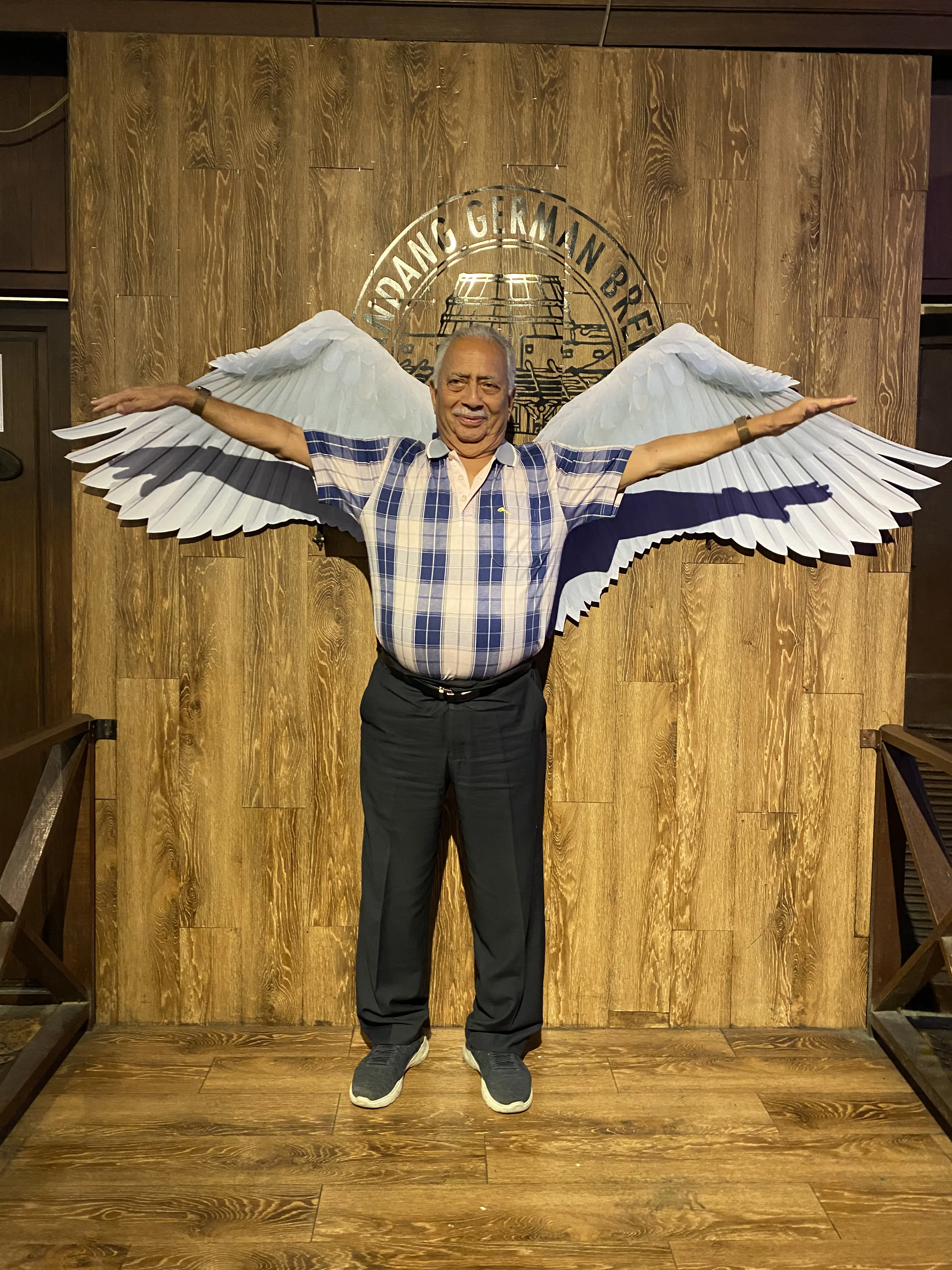
Relentless Movement
The body does not wear out from use. It deteriorates from stillness.
Movement is not the reward for being healthy. It is what creates it.
Before the day begins, the body needs to be activated and reminded of what it can do. Inversions to increase blood flow to the brain. Rope skipping to keep the heart strong. Balance work and stair climbing to maintain stability and independence.
This is not about performance or aesthetics. It is about maintaining the only body you have
Consistency matters more than intensity.
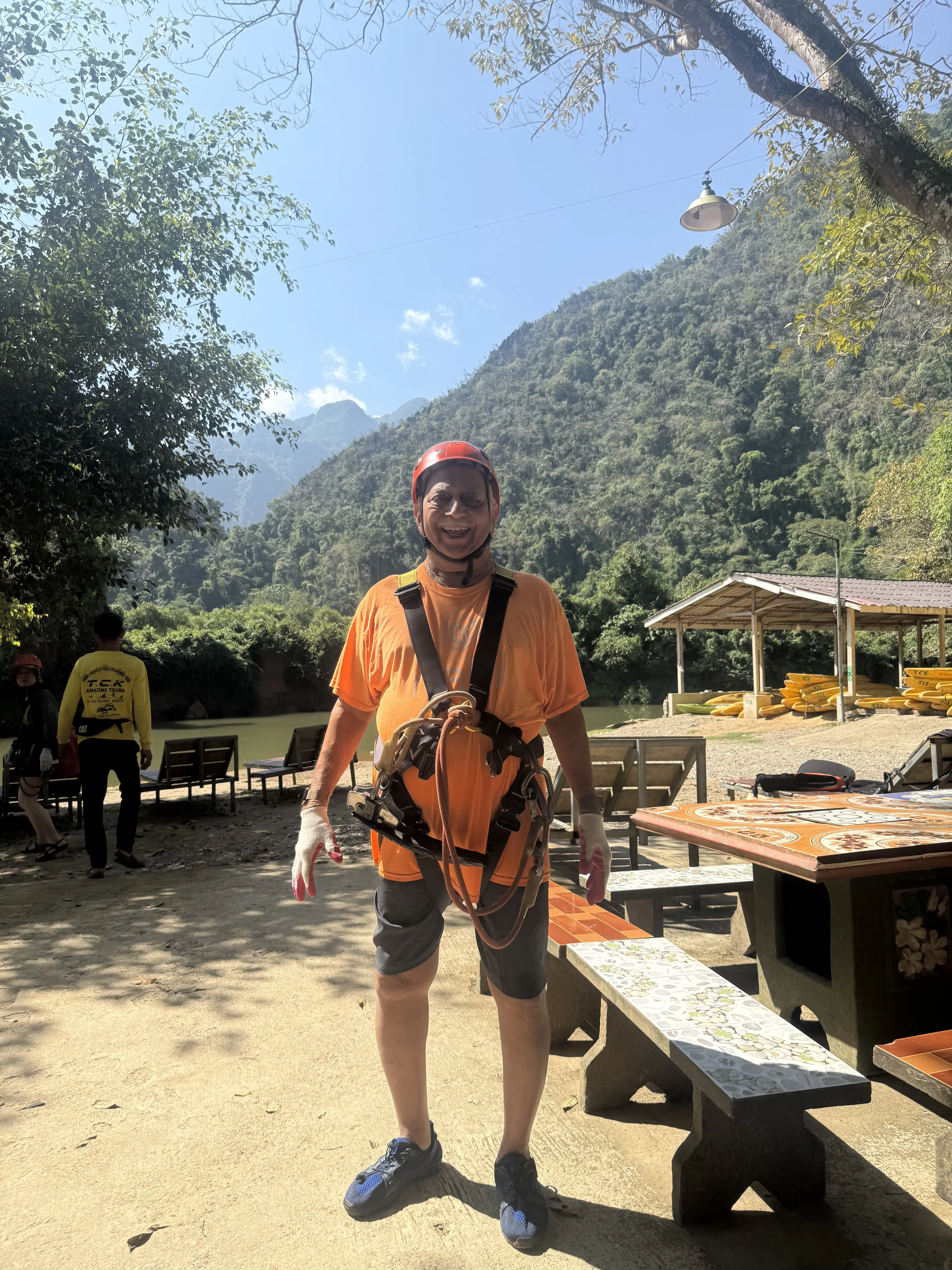
Intellectual Curiosity
A stagnant mind isn't resting. It's receding.
Curiosity is what keeps the brain young. Not puzzles or brain-training apps — genuine, uncomfortable, stretching engagement with the world as it is today, not as it was twenty years ago
That means understanding new technology rather than dismissing it. Analysing how business models are shifting rather than assuming the old ones still hold. Seeking out younger perspectives not to correct them, but to learn from them. The people who age most vibrantly are the ones who remain, at some fundamental level, students
The research backs this up. A 2025 study published in the Journal of Neurology, Neurosurgery & Psychiatry identified 17 modifiable factors that directly shape brain health and cognitive longevity — and active intellectual engagement sits at the centre of nearly all of them.
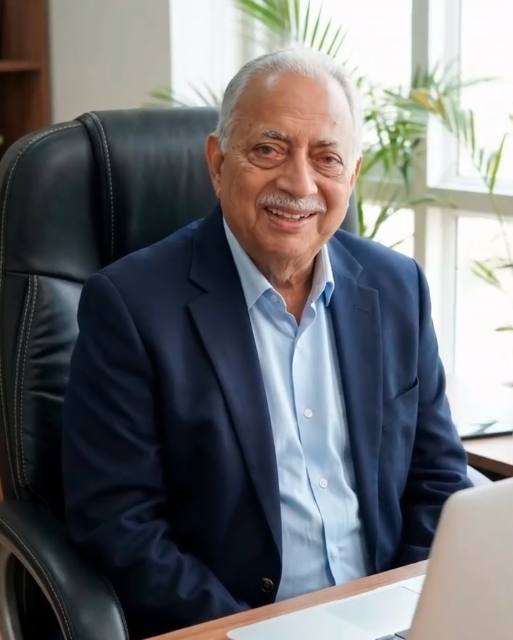
The Bias Toward Building
Retirement is a pause, not a conclusion.
How you handle them shapes everything else.
A full life includes loss, uncertainty, and moments that test you. That cannot be avoided
What you can control is your response. You can either close yourself off or allow those experiences to deepen you
The people who age well are not untouched by difficulty. They have faced it and chosen to remain open.
Emotional resilience is not about suppressing what you feel. It is about not letting hardship define you.

Emotional Resilience
A long life will ask difficult things of you.
A full life is not a protected one. It includes loss, grief, uncertainty, and the particular weight of watching people you love go through hard things. None of that is avoidable.
What is within our control is how we move through it — whether difficulty closes us off or deepens us. Whether grief becomes armour or wisdom. The people who age most fully tend to be the ones who have loved and lost and remained open anyway. Not because they are unaffected, but because they have learned that staying open is the only way to stay alive in the truest sense.
Emotional resilience isn't stoicism. It's the daily practice of not letting hardship become the last word.
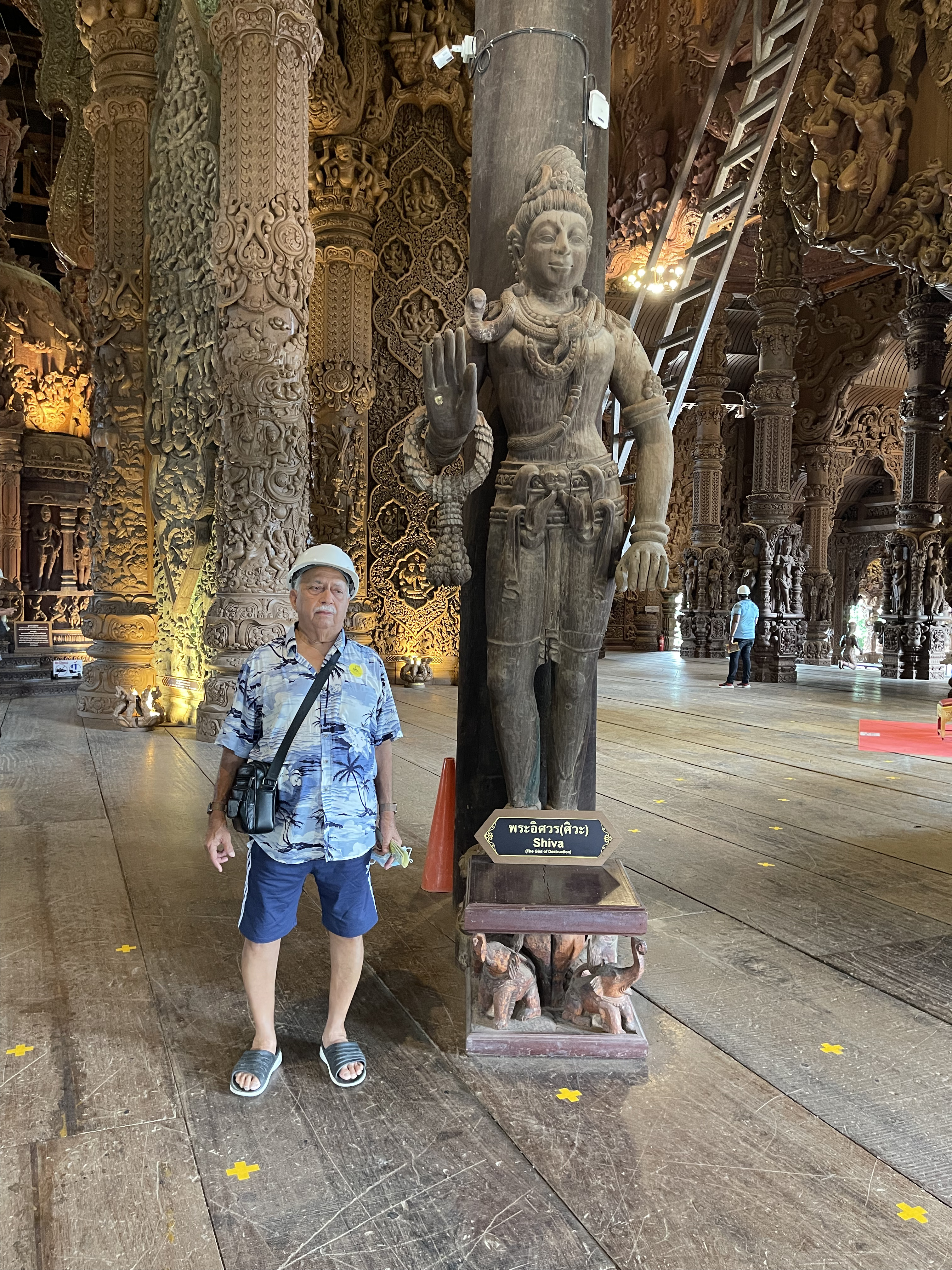
These four pillars are not a programme. They are a posture — a way of facing each day that refuses to negotiate with smallness.
The science of longevity is advancing rapidly. What it keeps finding is that the most powerful interventions are not pharmaceutical. They are behavioural. They are, in many ways, ancient. Move. Think. Build. Feel.
You already know how to begin.